
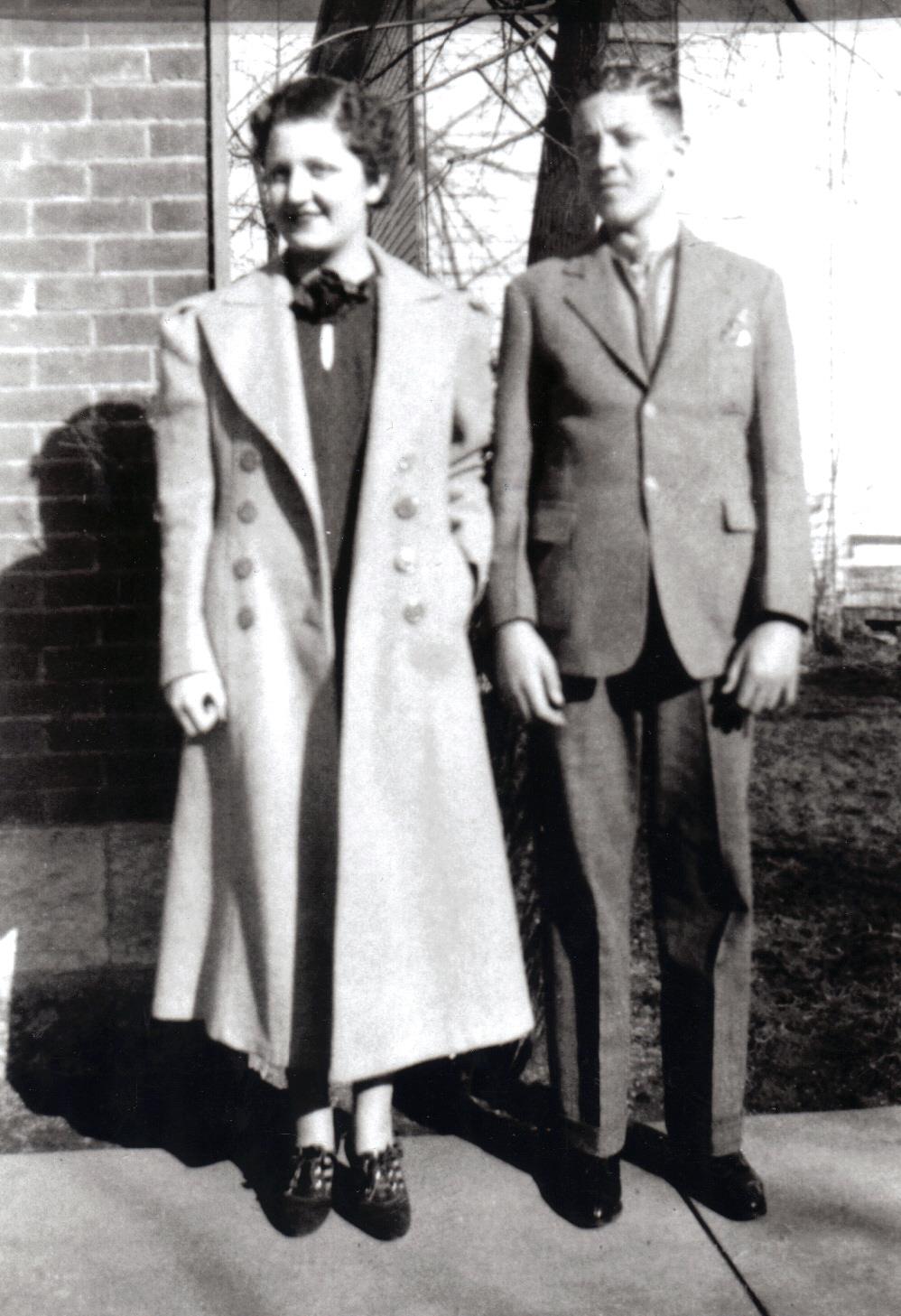
The death of his mother as a complication of his own birth meant that Jack Collins would be raised by relatives, not all of them vitally interested in his welfare. In his infancy, his care was left largely to his father’s much younger sister, Margaret, then a winsome and cheerful 16-year-old; as he grew older, he spent more and more time with his mother’s mother, Ida Finch, and it was to Ida that he fled when his stepmother’s rages became too much to bear.
Jack was 15 months younger than my mother, and she described him sometimes as a “pesky little brother” who stole her roller skates and used the wheels to make a skateboard. Her tone of voice betrayed affection, though; I could see that she had loved him. Generally, she said little of Jack, and we had only a few snapshots to anchor him in our imaginations: Jack at age six, blond and sweet, squinting into the sun as he grasps a croquet mallet; Jack at 14, gazing whimsically at the camera, as if daring the photographer not to laugh; Jack at 17, standing stiffly on a cold Easter morning, his best blue suit not quite fitting as it used to, his hair slicked back in the fashion of the day, his expression no longer so eager nor sweet. The boy who once put on such a good front was by now already grappling with the demons that would eventually destroy him. His attitude seems grim, resigned.